Saturday, June 26, 2021

It's So Esoteric!


It's the weekend! My week wasn't too bad, but still, I could use a pick me up just because. Partly cloudy and 81 degrees in Walnut Hills; who could ask for anything more! 

I have been itching to get to this city's first ever minority owned brewery, Esoteric Brewing. This is located inside the former Paramount Building, which is rich in history as Walnut Hills itself, so to make this experience enjoyable, let's talk history.

Located on Peebles Corner on East McMillan, the building was designed by architect Edward J Schulte and it was designed for Mrs. Helen V. B. Wurlitzer, widow of Howard Wurlitzer,  and leased office space once it was completed. This also housed the Paramount Theatre. The sleek, modern commercial building was advantageously located at a streetcar junction in Cincinnati's second busiest business district. The corner building and its sphere-topped cylindrical spire (now gone) shared the name of the nearby theatre, likely to attract the multitude of motorists and streetcar riders passing by each day. In addition, the building housed churches City Temple and New Thought Temple and a menswear shop. Seating 1100 people, The theatre showed films for twenty-nine years before closing on May 2, 1961 due to new quality film shortage and TV competition at the time.


Paramount Building    


Guenther's ghost sign, a former haberdashery

Esoteric Brewing's logo, the lotus, is a flower that is considered the most sacred flower in Asian cultures. The Vietnamese and Indian cultures associate it with gods and goddesses. 

Frequently tied to spirituality, it has a unique cycle of life, death, & rebirth, and that's what Esoteric Brewery represents in our community. The moment I stepped in, I felt a sense of zen. What sets this apart from other breweries is that this is known as a brewery lounge, which helps make it appealing to women and people of color. The building itself was constructed in the 1930s, so this gives off an Art Deco vibe. As I looked around, paintings of iconic actors, jazz musicians, and aviators adorn the lounge. Some of the artwork is reminiscent of those from the Works Progress Administration, as you will see Cincinnati's iconic buildings built during that era.


Josephine Baker


Bessie Coleman, first African American woman & first Native American to hold a pilots license


Ray Charles (P.S. & BTW, he did perform nine times in the Greystone Ballroom at Music Hall 


View from the mezzanine level


In addition, Esoteric has back patio seating for patrons, often teaming up with food trucks and holding concerts series on weekends. Yesterday, Taste of Belgium food truck happened to be there


Grilled Chicken Sandwich and Karma brew, which has fruity and citrus notes, which I like.


Apologies for the appearance; forgot this had the lotus logo before I drank it.


Though I'm a rare beer drinker, I really felt the vibe here. I felt so comfortable that I could easily make this my second home. Esoteric Brewing is truly an agent of change, and Cincinnati is much richer for it.

Sources

https://www.flowerglossary.com/lotus-flowers-meaning


Saturday, June 19, 2021

Juneteenth is Here!


It has finally happened! Juneteenth is now a FEDERAL HOLIDAY! For anyone who is not familiar, Juneteenth celebrates the fact that the Union soldiers informed the slaves that they have been set free on this day in 1865 in Galveston, Texas.

Of course, I'm not able to travel to Galveston to truly celebrate, but right here in Cincinnati is even better. I couldn't think of a better way to celebrate this occasion than to head to Findlay Market for the Juneteenth at Findlay Market food tasting event.

Before I get to the food, I just need to put it out there that many of today's featured entrepreneurs and foodtrepreneurs got their start at Findlay Kitchen, Findlay Market's non-profit food business incubator. With 76% of program participants being women-, minority,- and immigrant-owned businesses, this 8,000 square foot community kitchen provides access to commercial grade equipment and storage, resources such as classes, resources for funding and business insurance, and coaching, and help putting together a business plan. The kitchen can also be used for special events. The kitchen was funded by the Ralph V. & Carol Haile Foundation/US Bank, which is the same foundation that has funded Carol Ann's Carousel at Smale Riverfront Park.

Now, I know that you're salivating, so now, let's get to the food!


West African rice w/plantain, Afromeals


Cajun Fries w/Remoulade sauce, Dat's Ole School Cookin'


Miracle Mac & Cheese, Herban Vegans


Vegan Citrus Green Tea Mini Cupcake, A "Mother's Touch" Cakes


Cookies n' Cream Red Velvet Cheesecake Stuffed Cookie, Sweet Mae's Cookie Co.


Red Peas & Rice, Flavors of the Isle


Linen bars & candle, Chocolate Potion


Yes, we have a new federal holiday, and yes, it's another day off from work but lest not forget the blood, sweat, and tears that our ancestors shed to get to freedom. They sacrificed for us so that we can celebrate and enjoy the comforts that we have today. Lest not forget; for the seeds that we plant today will be reaped by our children and grandchildren tomorrow.


Saturday, April 10, 2021

Meet Me in OTR


Hello, Cincinnati Massive! Wow, It's been like five months since my most recent post! Still recovering from a knee injury, but day by day, I'm getting stronger and more confident! The wet weather and slight pain did not stop me from stepping out on faith today, so I couldn't think of a better way to spend today than to take the Meet Me in OTR Tour. In collaboration with the Friends of Music Hall-of which I am a board member-and Cincinnati Food Tours, the three hour experience covered Music Hall, Washington Park, lunch at Sacred Beast, a streetcar trip, and Findlay Market.

This one of a kind experience kicked off with the hour long Music Hall Outdoor Building Tour, led by Friends of Music Hall Program Guide Susan Lett.  Opened in 1878, Music Hall is composed of three buildings: the center building, the North building, and South building.

Music Hall was designed by Hannaford and Sons in the High Victorian Gothic style. Samuel Hannaford also designed next door neighbor Memorial Hall and Cincinnati City Hall, among others buildings.

The center building contains Springer Auditorium, named after Reuben Springer, a major contributor to the construction of Music Hall. Introduced to the arts by his wife Jane Kilgour, Springer believed that Cincinnati should have a permanent public space for music, cultural events, expositions, and more. Supporters wanted to name the building Springer Hall, but being the humble human being that he was, Springer decided against it, and therefore, it was named Music Hall instead. Music Hall underwent its most recent renovations in 2016 and reopened in the autumn of 2017. 


Center Building, featuring Springer Auditorium


North Building, once used as a Mechanics Hall, Exposition Hall, and sports arena


South Building, once housed the Greystone Ballroom for African Americans and the Topper Ballroom for whites The flower motif above the box office entrance indicates that this was also used as Horticultural/Art Hall.


Following the Outdoor Building Tour, the group headed to Washington Park where Cincinnati Food Tours owner Barb Cooper told of the history of Washington Park. Founded in 1861, the park was originally used as a cemetery for impoverished citizens. Back then, there were complaints of vapors coming from the cemetery, causing major health issues. As a result, the City transferred the remains north to and reinterred in Spring Grove Cemetery. About twenty years ago, citizens were afraid to lay down their roots, let alone open a business, in Over the Rhine due to the presence of homeless people and profound drug activity. National publications then named Over the Rhine as the most dangerous neighborhood in the United States. In 2011, things began to turn around for the better with the renovation of Washington Park. The park reopened in July 2012 for the World Choir Games, with Friendship Concert Performance from a Gifu, Japan (one of Cincinnati's nine sister cities) choir.

Italianate architecture. This architecture originated in 1802 in Great Britain by John Nash. Over the Rhine has about 900 such buildings, making it the largest intact historic district in United States. Typically, these buildings are two to three stories high, low pitched roofs, and overhanging eaves. 


Next, it was off to the Sacred Beast for lunch. Owners Jeremy and Bridget Lieb met at the Maisonette (now Boca) and had lived in Atlanta and New York for years. They had their children, Hanna and Noah, and ultimately moved back to Cincinnati to be near family. Jeremy had worked form Boca, and he decided to open a place of his own. In this pandemic, Sacred Beast has stood the test. 

Sacred Beast is a modern diner/bar where there is "Simple Food, Taken Seriously".  


Double Burger with Cheese, Fries, Dijonnaise, and Passsionfruit Tea-gotta come back for brunch!


Finally, the group took a 25 minute trek on the Cincinnati Bell Connector to Findlay Market. Constructed in 1852, Findlay Market is the oldest continuously operating public market in Ohio.-the only one of nine original public markets! James Findlay was an entrepreneur, congressman, Cincinnati mayor, and a general in the War of 1812. He and wife Jane wanted to open a public market. Sadly, neither James nor Jane lived to see it become reality as they both passed away before the market was constructed. The Findlays bequeathed a piece of land to the City, on the condition that it be used as a public market. Construction began in 1852, but due to contract disputes at the time, the market did not officially open until 1855.

Inside the Market House, Findlay Market houses about 40 regular merchants with about 30 more stationed around the perimeter during warm months.


Market Carpet


    Designed by David Day, the Market Carpet was designed in honor of the market's 150th        anniversary, using mosaic tiles imported from Briare, France.


Findlay Kitchen

Findlay Kitchen is a food incubator. With access to commercial grade equipment, the kitchen is open to anyone who wants to get a start in the restaurant industry, but about 76% are women, minority, and immigrant owned businesses.

Now, good news and bad news. This tour is only available today and April 24, but Barb would be happy to accommodate this as a private tour going forward.

Until next time, be happy, be safe, be well!


Wednesday, November 11, 2020

Holiday Wurlitzer Concert


MEDIA RELEASE
Contact: Mindy Rosen
513-535-0678
For Immediate Release: November 11, 2020


Mighty Wurlitzer Delivers “Happy Holidays”
Virtually for 2020

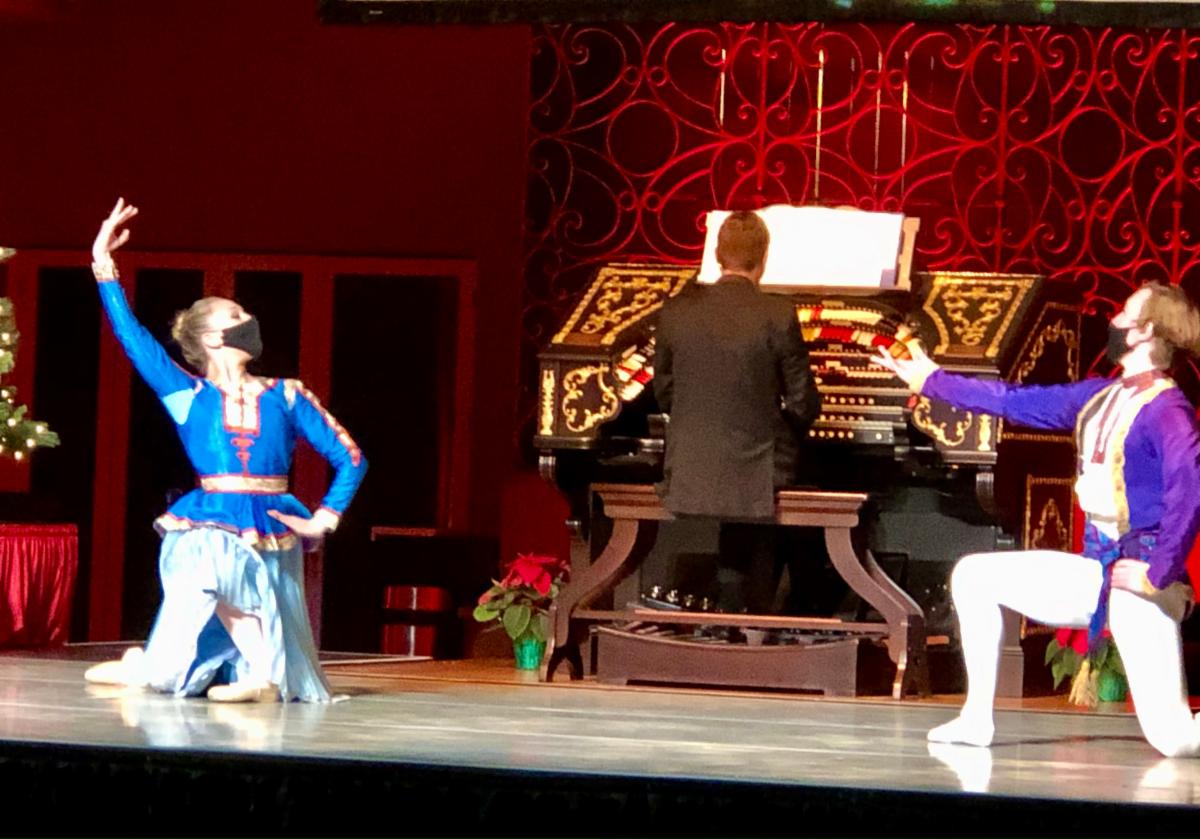
For a decade the Mighty Wurlitzer Theatre Organ at Cincinnati Music Hall’s Ballroom has offered a heartwarming seasonal concert tradition, Happy Holidays. For 2020, the event returns virtually for friends and family with free streaming offered on Thursday, Dec. 3 at 7:00 p.m. presented by the Friends of Music Hall. The link will be live through Dec. 26.

World renowned organist Mark Herman has been a Cincinnati favorite, and he’ll be at the keyboard to pull out all the holiday stops with seasonal music. The evening will be hosted by Evans Mirageas, Cincinnati Opera’s Harry T. Wilks Artistic Director and a veteran radio commentator. Further entertainment will be provided by vocalists Thom Dreeze and Jennifer Cherest, Cincinnati Opera regulars, as well as dancers from the Cincinnati Ballet’s Otto M. Budig Academy.

Mark Herman is one of America’s busiest and most in-demand theatre organists. He has performed concerts across the U.S. and abroad in Australia, New Zealand, Switzerland and the United Kingdom. In 2012, he was named Organist of the Year by the American Theatre Organ Society, the youngest person ever to be so honored.

Area residents who have enjoyed Happy Holidays with the Mighty Wurlitzer Theatre Organ — as well as those seeking a special holiday experience — can order a FREE virtual link by emailing Mindy Rosen at mrosen@FriendsofMusicHall.org
# # #

// CONNECT WITH US //

Monday, November 9, 2020

Horace Sudduth and the Manse Hotel

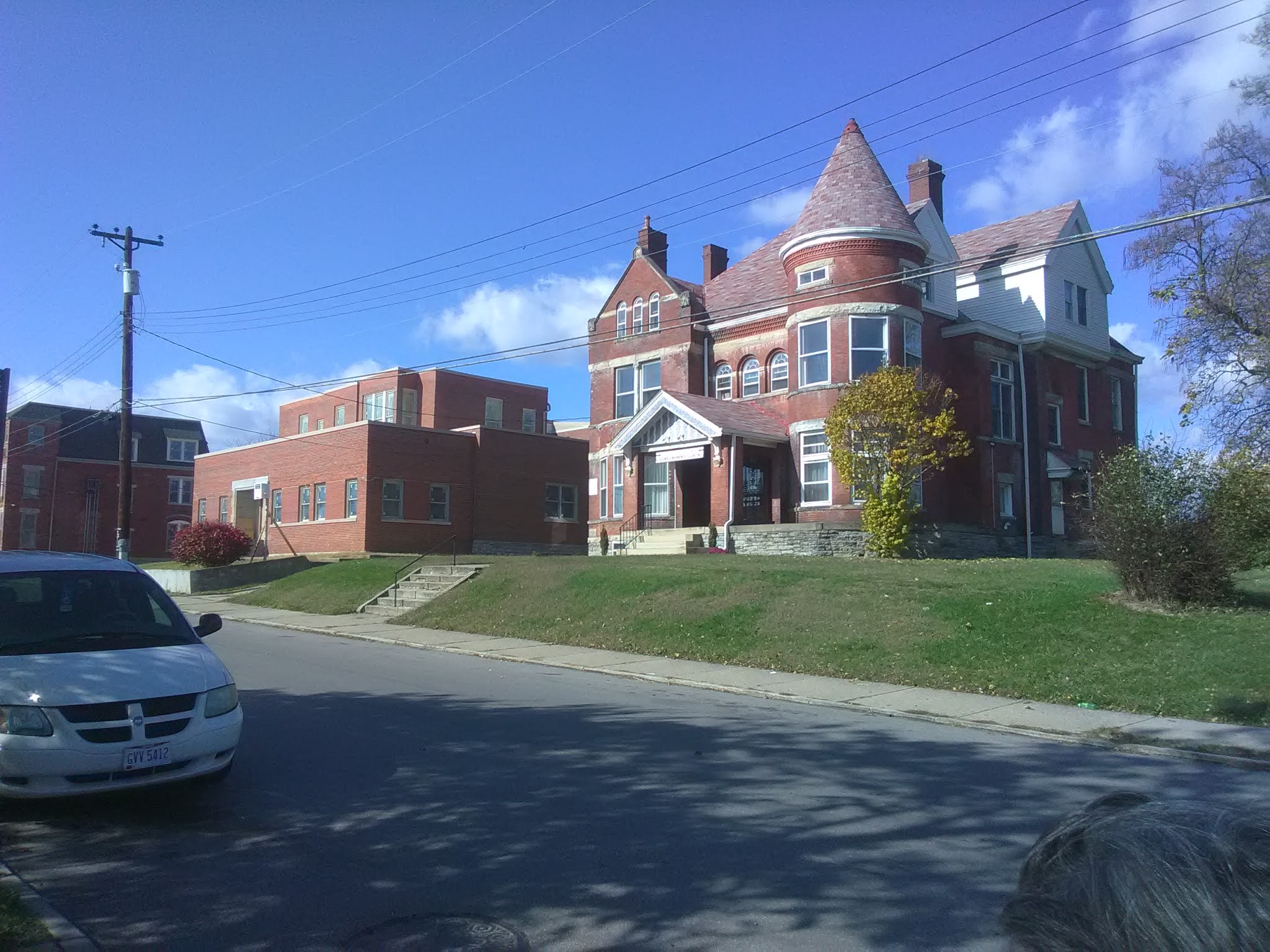
Former Manse Hotel, left and the headquarters of The Cincinnati Federation of Colored Women's Clubs


 Happy Monday! Today's high is pushing 80 degrees, not typical for November, but I'm not complaining.

A week ago yesterday, I went on the Black Baseball in Walnut Hills Walking Tour, and the former Manse Hotel was one of the stops. Today, I just feel like digging deeper and share the story of this landmark.

The Manse Hotel, not to be confused with the Old Manse Hotel in Britain, is listed in The Negro Travelers's Green Book and was perhaps the most prominent African American owned, operated, and designed hotel in Cincinnati.


In 1937, when Sudduth acquired it, it was an 11 family residence, and over the years, he converted it little by little until it became a 108-room hotel, and he invested $500,000 of his own money to finance the hotel. 

The Manse Hotel formally opened in April 1950, and about 6,000 guest toured the hotel freely. Per the June 2, 1969 issue of the Cincinnati Enquirer, the hotel employed about 30 workers, had an annual payroll of $85,000, and grossed $200,000 annually in its peak years. Sudduth would only charge $3.00 per guest while the White hotels in downtown Cincinnati charged $6-$7 per guest. What's more, he never got a liquor license as he did not want liquor served in the hotel; the liquor alone would have more than tripled the income from all other sources. 

In later years, with integration, Black customers left the Manse as the wanted better service, and the Manse was unable to draw white guests. 

Sudduth's death in 1957 saw the decline of the Manse. His son-in-law Alexander saw that renovation was not necessarily within his power, and when the Manse was audited, it had a liability of $100,000.
Guest were now few and far in between, and the 108 rooms now were used for one night stays. 


The Cincinnati Enquirer, April 16, 1950


The Cincinnati Enquirer, June 2, 1969


Of course, behind every proud man stands a proud woman. Mrs. Melvina Sudduth was not directly involved in her husband's business ventures, but she made things strong on the homefront by making sure that their house ran smoothly. She and Horace had been childhood sweethearts and the couple was married from 1919 until her death in 1956. She had also been involved in many causes of her own, including as treasurer of the Cincinnati Federation of Colored Women's Clubs and community organizations in their native Covington, Kentucky.

The Pittsburgh Courier, March 12, 1955


The Manse Hotel was known to host baseball royalty such as Jackie Robinson. 


Everybody have a blessed week!


Sunday, November 1, 2020

Ghosts of Black Walnut Hill's Past


Ashland Park

Happy November! I'm still recovering from a knee injury that I suffered this past May. I did have a voucher for a Reds home game, but again due to this evil spirit we call COVID-19, in person games have been out of the question this year, so I still decided to celebrate with the Black Baseball in Walnut Hills Walking Tour.


Peter H Clark, in addition to being principal of Gaines Colored High School, was considered the Father of Cincinnati's Black Baseball, having found the Cincinnati Vigilants. The game made a significant mark in baseball history as it connected baseball to education, thus the team consisted of student-athletes from the school. He is also the author of the first account of the Black Brigade, and was also the first African American socialist in the United States. According to the July 1874 issue of the Cincinnati Daily Times, a writer who went by the name of Vigilant Play gave an account of why white teams refused to play against one of the best Black teams in the country:

“Now, why the white clubs refuse to play our club, I can’t see,” wrote Vigilant Play, adding the claim that the Vigilants were “the champions of Ohio.” “The Vigilant Club is composed of as good players as the Arctics [a white team]. Is this giving our colored boys a show? The Arctics, Favorites and Hunkidories have to work for a living as well as we Vigilant boys do, and we will play any of the above-mentioned any day next week, except Sunday.

“It seems as if the white clubs are afraid of us,” he added boldly.


Philanthropist Jacob Schmidlapp, provided low cost housing, such as the former Gordon Hotel (pictured), for African American wage earners. In the early 1900s, rooms were priced $.50 per night, $1.75 per week.


Former Manggrum's Drugstore, Chapel Street. One of the first Black owned pharmacies in Cincinnati, the pharmacy was a vendor that sold tickets to Black performances, most notably the June Festival of Negro Music in Eden Park back in the 1940s.


Former Manse Hotel (left) and headquarters of the Cincinnati Federation of Colored Women's Clubs.
Listed in The Negro Motorist Green Book, the Manse Hotel, Black baseball players such as Jackie Robinson were guests.


To learn more about Dehart Hubbard, read this post.


Alms Hotel, home of the former WKRC jazz radio station.


Have a blessed week!